Coimbatore
+919042675116
+919042675116
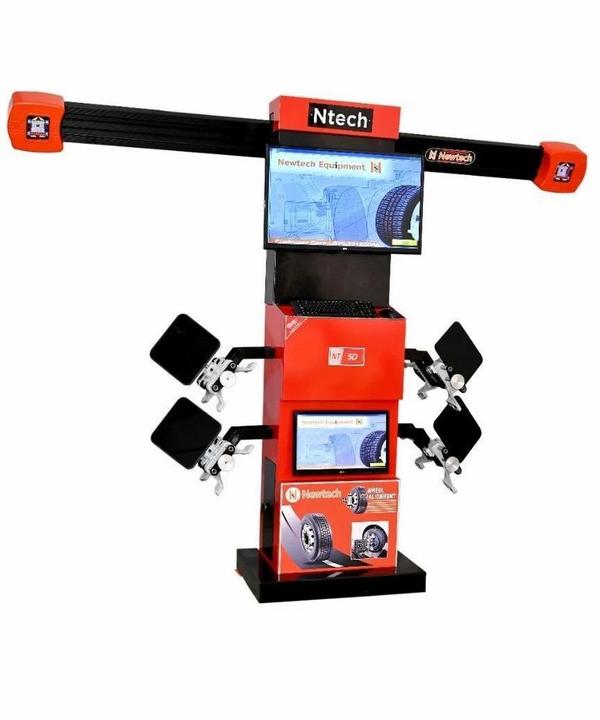
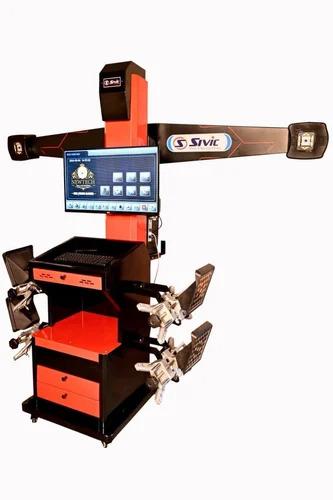
Wheel Alignment Machine by Neutech Equipments

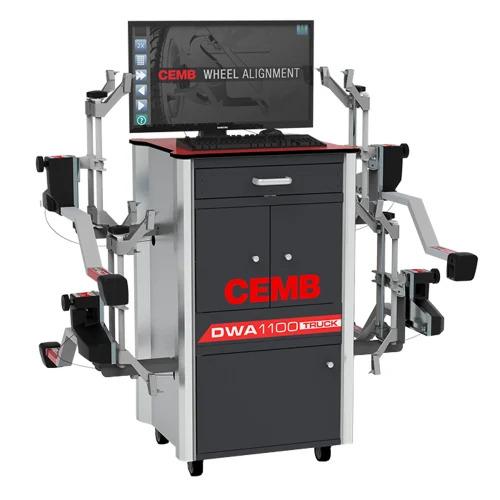
Truck Wheel Alignment Machine

Phone Number

+919042675116

Mon-Thu: 10 AM - 2 PM • Fri: 3 PM - 7AM

Address 476/D, Super Garden Avenue, Chettipalayam Main Road

Coimbatore, India, 641201

Description

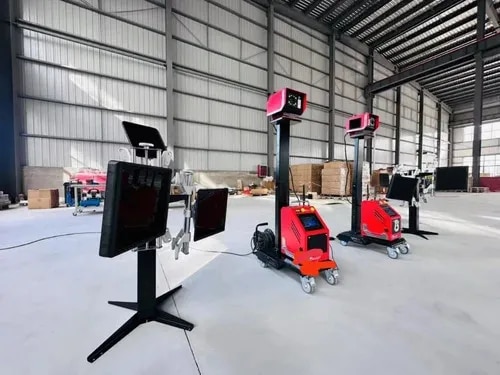
Modern truck alignment machines generally use advanced optical, laser, or 3D camera systems to map the positions of the wheels relative to the truck's chassis. Target/Sensor Mounting: Specialized clamps are attached to the wheel rims of the truck. These clamps hold high-precision targets (for 3D camera systems) or electronic sensor heads (for laser/CCD systems). Data Capture: A central console equipped with cameras or sensors reads the positions of these targets. As the truck is rolled forward or backward slightly (a process called rolling compensation), the machine calculates the exact spatial orientation of each wheel. Live Feedback: The machine compares the measured angles against a database of factory specifications for that specific truck make and model. It displays live, color-coded data (usually red for out-of-spec and green for correct) to guide the technician making the mechanical adjustments. 2. Key Alignment Angles Measured Unlike passenger cars, heavy trucks often have multiple steered and non-steered axles. The machine measures three primary angles: Toe: This refers to whether the fronts of the tires on an axle are closer together or further apart than the rears of the tires. Incorrect toe is the leading cause of rapid tire wear. Camber: This is the inward or outward tilt of the top of the wheel when viewed from the front. Out-of-spec camber causes the tire to wear heavily on one edge. Caster: This is the forward or backward tilt of the steering axis when viewed from the side. It affects steering stability and how easily the steering wheel returns to the center after a turn. Thrust Angle and Scrub Angle: Crucial for multi-axle trucks. The machine ensures that the rear drive axles are perfectly perpendicular to the truck's centerline. If they are crooked, the truck will “dog-track” (drive down the road at a slight angle). 3. Benefits of Proper Truck Alignment Maintaining proper wheel alignment using these machines is one of the most effective ways commercial fleets save money: Reduced Fuel Consumption: When wheels are misaligned, they drag against the road rather than rolling smoothly. This increases rolling resistance. Aligning the truck properly can improve fuel economy by 2% to 3%. Extended Tire Life: Tires for heavy trucks are incredibly expensive. Proper alignment prevents uneven wear patterns (like feathering or cupping), allowing the tires to last significantly longer. Improved Safety and Handling: A well-aligned truck doesn't pull to one side, reducing driver fatigue and preventing dangerous handling characteristics on highway curves or wet roads.
Other Products

view all

6814772a5d263414004dd4a4 Card 2

product image
Wheel Alignment Machine

Instead of measuring angles using electronic sensors mounted directly on the wheels, a 3D aligner moves the complex technology away from the vehicle and onto a secure external structure.Passive Targets: Technicians mount durable, lightweight plastic “targets” (which feature specific geometric patterns) onto the wheels using specialized clamps. These targets contain no electronics, batteries, or cables, making them virtually indestructible if dropped.High-Resolution Digital Cameras: A beam positioned in front of the vehicle contains two or more high-speed digital cameras. These cameras continuously shoot images of the geometric targets on the wheels.Visual Computing: The machine's central computer analyzes how the geometric patterns on the targets deform or shift in real-time as the vehicle is rolled slightly forward and backward (rolling compensation). By calculating these minute visual shifts, the software creates a precise $3text{D}$ digital model of the wheels' orientation.2. What Makes it “Automatic”?The standout feature of an Automatic 3D alignment machine is its automatic tracking lift/beam system:In standard 3D systems, if a technician raises the vehicle lift to work underneath it, the cameras lose sight of the targets, requiring the technician to manually adjust the height of the camera beam.An Automatic system features a motorized camera post. It uses intelligent positioning sensors to track the height of the vehicle lift. As the lift goes up or down, the camera beam automatically moves up or down in perfect sync, maintaining an uninterrupted line of sight with the wheel targets.3. Key Measurements & Software CapabilitiesThe system instantly compares live data against a massive integrated vehicle database to calculate standard suspension geometry:Toe, Camber, and Caster: Provides instant, live color-coded graphics (typically green for correct, red for out-of-spec) so technicians can make adjustments under the car while watching the screen.Advanced Dimensions: It easily calculates secondary dimensions that older machines struggled with, such as cross-camber, setback, track width difference, and wheelbase differences (crucial for diagnosing whether a vehicle has hidden structural or frame damage). Application >Car Automation Grade >Automatic Camera Type >High Definition (HD) No Of Sensor Heads >4 Display Type >LED Power Source >Single Phase Product Sensor Types >4D Product Brand >Neutech

6814772a5d263414004dd4a4 Card 2

product image
Wheel Alignment Machine

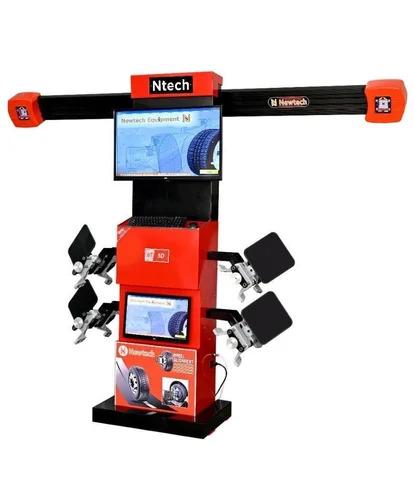
Instead of measuring angles using electronic sensors mounted directly on the wheels, a 3D aligner moves the complex technology away from the vehicle and onto a secure external structure.Passive Targets: Technicians mount durable, lightweight plastic “targets” (which feature specific geometric patterns) onto the wheels using specialized clamps. These targets contain no electronics, batteries, or cables, making them virtually indestructible if dropped.High-Resolution Digital Cameras: A beam positioned in front of the vehicle contains two or more high-speed digital cameras. These cameras continuously shoot images of the geometric targets on the wheels.Visual Computing: The machine's central computer analyzes how the geometric patterns on the targets deform or shift in real-time as the vehicle is rolled slightly forward and backward (rolling compensation). By calculating these minute visual shifts, the software creates a precise $3text{D}$ digital model of the wheels' orientation.2. What Makes it “Automatic”?The standout feature of an Automatic 3D alignment machine is its automatic tracking lift/beam system:In standard 3D systems, if a technician raises the vehicle lift to work underneath it, the cameras lose sight of the targets, requiring the technician to manually adjust the height of the camera beam.An Automatic system features a motorized camera post. It uses intelligent positioning sensors to track the height of the vehicle lift. As the lift goes up or down, the camera beam automatically moves up or down in perfect sync, maintaining an uninterrupted line of sight with the wheel targets.3. Key Measurements & Software CapabilitiesThe system instantly compares live data against a massive integrated vehicle database to calculate standard suspension geometry:Toe, Camber, and Caster: Provides instant, live color-coded graphics (typically green for correct, red for out-of-spec) so technicians can make adjustments under the car while watching the screen.Advanced Dimensions: It easily calculates secondary dimensions that older machines struggled with, such as cross-camber, setback, track width difference, and wheelbase differences (crucial for diagnosing whether a vehicle has hidden structural or frame damage). Brand NEUTECH Automation Grade >Automatic Number of Cameras >2 Cameras Configuration Type >Fixed / Pit Camera Type >Ultra High Definition (UHD) Sensor Types >3D Supported Rim Size (Inch) >12“-24” Usage/Application >Car

6814772a5d263414004dd4a4 Card 2

product image
Wheel Alignment Machine

Modern truck alignment machines generally use advanced optical, laser, or 3D camera systems to map the positions of the wheels relative to the truck's chassis. Target/Sensor Mounting: Specialized clamps are attached to the wheel rims of the truck. These clamps hold high-precision targets (for 3D camera systems) or electronic sensor heads (for laser/CCD systems). Data Capture: A central console equipped with cameras or sensors reads the positions of these targets. As the truck is rolled forward or backward slightly (a process called rolling compensation), the machine calculates the exact spatial orientation of each wheel. Live Feedback: The machine compares the measured angles against a database of factory specifications for that specific truck make and model. It displays live, color-coded data (usually red for out-of-spec and green for correct) to guide the technician making the mechanical adjustments. 2. Key Alignment Angles Measured Unlike passenger cars, heavy trucks often have multiple steered and non-steered axles. The machine measures three primary angles: Toe: This refers to whether the fronts of the tires on an axle are closer together or further apart than the rears of the tires. Incorrect toe is the leading cause of rapid tire wear. Camber: This is the inward or outward tilt of the top of the wheel when viewed from the front. Out-of-spec camber causes the tire to wear heavily on one edge. Caster: This is the forward or backward tilt of the steering axis when viewed from the side. It affects steering stability and how easily the steering wheel returns to the center after a turn. Thrust Angle and Scrub Angle: Crucial for multi-axle trucks. The machine ensures that the rear drive axles are perfectly perpendicular to the truck's centerline. If they are crooked, the truck will “dog-track” (drive down the road at a slight angle). 3. Benefits of Proper Truck Alignment Maintaining proper wheel alignment using these machines is one of the most effective ways commercial fleets save money: Reduced Fuel Consumption: When wheels are misaligned, they drag against the road rather than rolling smoothly. This increases rolling resistance. Aligning the truck properly can improve fuel economy by 2% to 3%. Extended Tire Life: Tires for heavy trucks are incredibly expensive. Proper alignment prevents uneven wear patterns (like feathering or cupping), allowing the tires to last significantly longer. Improved Safety and Handling: A well-aligned truck doesn't pull to one side, reducing driver fatigue and preventing dangerous handling characteristics on highway curves or wet roads. Automation Grade >Automatic Brand >Hunter Usage/Application >Truck Voltage >220V Power Source >Single Phase Model Name/Number >DWA 1100 Product Brand >CEMB Structure >Electric